

How To Untie Your Muscle Knots
What are muscle knots? Do they actually exist?
We all know what it feels like to have a sharp pain in our upper back or neck after doing something unusual or strenuous.
Sometimes it’s more of a constant ache after sitting for a long time.
We call these ‘knots’ in the muscle but this is not a very technical name..
There are a lot of different opinions as to what exactly these ‘knots’ are, however, we are not going to get into that!
What Does A Muscle Knot Feel Like?
According to vivehealth
Knots are tender or painful to the touch.
They feel like bumps—or knots!—beneath the skin.
They range from the size of a pinhead to the size of a thumb.
Some muscle knots only hurt when you apply pressure to them, but
others cause pain or tension without being touched.
Muscle Knots In The Neck
Here is a clever animation from Wikipedia showing one of the favourite sites for ‘knots’ in the muscles – the Trapezius Muscle.

What Can You Do About Muscle Knots?
There are many suggestions as to what to try to ease muscle knots
- Hydration – drinking plenty of water helps to keep you well hydrated. This prevents any chemical imbalances in the muscle.
- Take breaks – typically we spend a lot of or day sitting in front of a computer or TV. A new pastime for many is staring down at our phones. Take regular breaks and straighten out your back, turn your neck from side to side. If necessary set a reminder on your phone or computer!
- Exercise – regular exercise is important. Especially gentle neck exercises that mobilise your neck and undo the effects of prolonged sitting. These are safe as long as they are not aggravating your problem.
- Massage– self-massage for your back is possible and can help keep your muscles healthy, pliable, and oxygenated.
- Relaxation– if you suffer from stress then this can easily contribute to knots so why not experiment with some form of relaxation program
- Sleep– lack of sleep is a common symptom of modern life and is implicated in knots formation. Try going to bed a little earlier and no electronic devices in bed!
Self-Help For Muscle Knot Videos

CLICK TO LIKE Our FACEBOOK PAGE to keep up to date.
Hydration
According to The British Nutrition Foundation:
Water is essential for life and it is very important to get the right amount of fluid to be healthy. However there are lots of mixed messages about how much, and what to drink and this can be confusing. Do I really need to drink 6-8 glasses of water on top of all my other drinks? Is it true that tea and coffee do not count towards my fluid intake? The answer to both these questions is no! The BNF ‘healthy hydration guide’ can help you choose a healthy balance of drinks.
This page also looks at why fluid is important, the effects of different drinks on health, and the needs of particular groups of people in the population. The information here is generally for healthy adults.
Why do you need water?
Your body is nearly two-thirds water and so it is really important that you consume enough fluid to stay hydrated and healthy. If you don’t get enough fluid you may feel tired, get headaches and not perform at your best. ‘Fluid’ includes not only water from the tap or in a bottle, but also other drinks that give you water such as tea, coffee, milk, fruit juices and soft drinks. You also get water from the food you eat – on average food provides about 20% of your total fluid intake.How much do you need?
The amount of fluid you need depends on many things including the weather, how much physical activity you do and your age, but the Eatwell Guide suggest 6-8 glasses of fluid per day. This is on top of the water provided by food you eat. You can get water from nearly all fluid that you drink, apart from stronger alcoholic drinks such as wine and spirits.
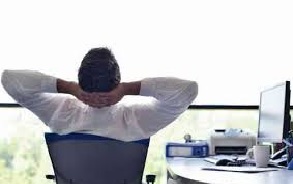
Take a Break (Microbreaks and Often)
According to AXA PPP
- Design in breaks: move the printer away from your desk so that you have to get up to retrieve your documents.
- Habits: drinking lots of water is healthy and means you will need to leave your desk often for comfort breaks.
- Associative breaks: associate a break or change in posture with tasks that you undertake regularly. For example stand up when taking phone calls (as long as you won’t need to refer to your PC during the call).
- Set reminders on your PC; most computer diary applications such as Lotus Notes or Outlook offer a reminder facility.
- Use breaking software. This is specially designed software that reminds you to break in a number of different ways. Some of these programmes can be downloaded free from the internet. Always check with your employer first before downloading such software.
- Task rotation: if you conduct a number of different tasks, break them up into shorter periods and alternate them. If you complete purchase orders by hand and then enter them into the PC, for example, don’t do all the handwriting and then all the inputting at once. Instead, do a few orders by hand and then enter them into the PC.
Exercise and Self-Massage
These are dealt with below in the Videos Section at the end.

Relaxation
Harvard Health has published a quick guide to relaxation techniques at work when you have on a minute or so…
When you’ve got one minute
Place your hand just beneath your navel so you can feel the gentle rise and fall of your belly as you breathe. Breathe in. Pause for a count of three. Breathe out. Pause for a count of three. Continue to breathe deeply for one minute, pausing for a count of three after each inhalation and exhalation.
Or alternatively, while sitting comfortably, take a few slow deep breaths and quietly repeat to yourself “I am” as you breathe in and “at peace” as you breathe out. Repeat slowly two or three times. Then feel your entire body relax into the support of your chair.
When you’ve got two minutes
Count down slowly from 10 to 0. With each number, take one complete breath, inhaling and exhaling. For example, breathe in deeply, saying “10” to yourself. Breathe out slowly. On your next breath, say “nine”, and so on. If you feel lightheaded, count down more slowly to space your breaths further apart. When you reach zero, you should feel more relaxed. If not, go through the exercise again.

Sleep
Follow these tips to avoid muscle knots and establish healthy sleep habits from American Academy of Sleep Medicine:
- Keep a consistent sleep schedule. Get up at the same time every day, even on weekends or during vacations.
- Set a bedtime that is early enough for you to get at least 7 hours of sleep.
- Don’t go to bed unless you are sleepy.
- If you don’t fall asleep after 20 minutes, get out of bed.
- Establish a relaxing bedtime routine.
- Use your bed only for sleep and sex.
- Make your bedroom quiet and relaxing. Keep the room at a comfortable, cool temperature.
- Limit exposure to bright light in the evenings.
- Turn off electronic devices at least 30 minutes before bedtime.
- Don’t eat a large meal before bedtime. If you are hungry at night, eat a light, healthy snack.
- Exercise regularly and maintain a healthy diet.
- Avoid consuming caffeine in the late afternoon or evening.
- Avoid consuming alcohol before bedtime.
- Reduce your fluid intake before bedtime.
What If None Of This Helps your Muscle Knots?
If you have been suffering from muscle knots or pain for a while, coming to see a physio (me?) is the next logical step.
When you come to see me I will thoroughly assess you to identify the underlying causes.
I will look at your posture, your movements and biomechanics.
We will discuss your lifestyle and habits that may be contributing factors.
After all this, I will suggest a treatment plan for dealing with your problem.
The treatment plan may include:
Massage
Consisting of soft tissue massage of the surrounding area and perhaps some more localised deep massage to the ‘knots’.
Stretching
Gentle stretching movements to take you through your full range of available motion and then a little bit further.
I will give you advice on the correct stretches and how to do it yourself.
It is possible to over-stretch through lack of knowledge, and just because a muscle is hurting, doesn’t mean it needs to be stretched – sometimes the opposite is true!
Acupuncture / Dry-needling
Acupuncture, or it’s derivative dry-needling, can get right to the centre of the ‘muscle-knot’ and let it begin to relax.
Some relief should be experienced in only a single treatment, but addressing the cause of the knot is also required.
If you would like professional advice before you decide on your treatment, please leave a comment below or direct message me on Facebook using the link at the bottom of the page.
Alternatively, you may call or text me on 07980 898414
Self-Help For Muscle Knots
Videos will be added here over the NEXT 4 WEEKS
#1 Neck Retraction Exercise
 Click On The Image To Watch The Video
CLICK TO LIKE Our FACEBOOK PAGE to keep up to date.





Recent Comments